

Homesickness is the emotional distress that can appear when you are separated from your home, familiar surroundings, cultural habits, daily routines, or people you feel deeply connected to. It is more than simply missing a place. For many Iranian immigrants, homesickness can include missing family gatherings, Persian language conversations, traditional food, familiar social customs, neighbourhoods, and the feeling of being understood without explanation.
Homesickness is a natural emotional response to major life transitions. It can affect children, students, and adults who move to another city or country. Experiencing homesickness does not mean that you made the wrong decision by immigrating or that you are unable to adapt. It often reflects the importance of the relationships, memories, and identity connected to your previous life.
Many Iranian immigrants experience a complicated mix of emotions after moving abroad. You may feel grateful for new opportunities while still missing your family, language, traditions, and sense of belonging. These feelings can exist together, and this emotional conflict is a common part of adjustment.
Why Do People Feel Homesick?
Homesickness is strongly connected to familiarity and attachment. Home is not only a physical location; it represents emotional safety, routines, relationships, cultural identity, and predictable experiences. When you move to a new country, many of these familiar foundations suddenly change.
For Iranian immigrants, the transition may involve learning a new language, adapting to different social expectations, building new relationships, and managing practical challenges such as work, finances, or immigration responsibilities. Everyday tasks that once felt automatic may require extra mental energy.
Your mind may also begin comparing your current life with your previous one. You might remember the comfort of family gatherings, Persian celebrations, or old friendships while overlooking the difficulties that existed before moving. This idealisation of the past can make your new environment feel more difficult than it actually is.
If you are experiencing these feelings and finding it difficult to adjust to life abroad, you do not have to manage them alone. You can connect with Dr Saeed Ansari, one of the best Online Persian psychologist.

Common Causes of Homesickness
Homesickness can develop after many types of separation, but moving to another country is one of the most significant triggers. Immigration often involves leaving behind family members, close friends, familiar traditions, and a community where you felt accepted.
For Iranian immigrants, common causes of homesickness may include:
- Being far away from parents, siblings, or extended family.
- Missing Persian language and cultural connections.
- Feeling disconnected from Iranian traditions and celebrations.
- Difficulty creating new friendships.
- Experiencing loneliness in a new society.
- Adjusting to different communication styles and social expectations.
Personal circumstances can also influence how strongly someone experiences homesickness. Previous anxiety, depression, strong family attachment, recent life changes, or a lack of social support can make adjustment more challenging.
What Are the Symptoms of Homesickness?
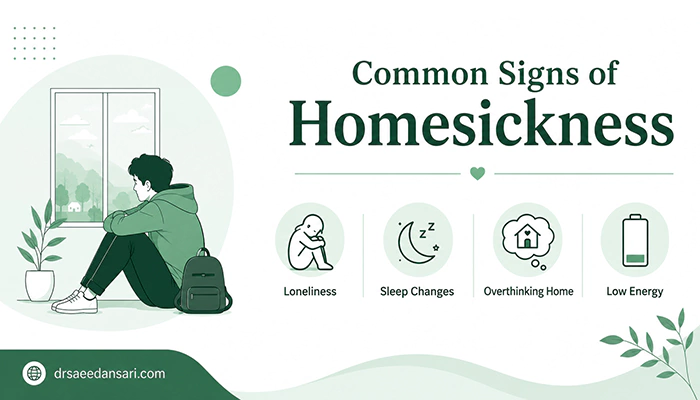
Homesickness can affect emotions, thoughts, behaviours, and even physical health. Some people experience sadness and loneliness, while others become anxious, frustrated, withdrawn, or unable to focus on daily responsibilities.
Common signs include:
- Persistent thoughts about home and family.
- Feeling lonely or disconnected.
- Frequent sadness or crying.
- Anxiety about the new environment.
- Irritability or frustration.
- Difficulty concentrating.
- Reduced motivation.
- Changes in sleep or appetite.
- Feeling that you do not belong.
Homesickness does not always look like sadness. Some people continue working, studying, and socialising while privately struggling with feelings of loss and disconnection. Recognising these patterns can help you understand what you are experiencing.
Is Homesickness Normal?
Yes, homesickness is a normal human experience, especially during major transitions. Many immigrants experience periods of missing their previous life while building a new one. Feeling homesick does not mean you are weak, dependent, or unable to succeed abroad.
However, normal does not mean you must suffer alone. If homesickness becomes overwhelming, affects your relationships, prevents you from enjoying life, or continues alongside anxiety and depressive symptoms, professional support can be helpful.
Homesickness Among Iranian Immigrants
Immigration creates a unique form of homesickness because it involves more than physical distance. Many Iranian immigrants miss spontaneous conversations with family, Persian humour, traditional meals, cultural celebrations, and the comfort of speaking their native language every day.
A common challenge is feeling that nobody in the new country fully understands your background. Even when you meet new people, building relationships that feel as deep as lifelong friendships takes time.
Maintaining connections with Iranian family and friends can provide emotional support, but it is also important to create a meaningful life in your new country. Successful adjustment does not require forgetting your past. Instead, it involves creating space for both your previous identity and your new experiences.
How to Cope With Homesickness
The goal is not to completely eliminate memories of home. Instead, the aim is to create emotional balance while building your new life.
Helpful strategies include:
- Accepting that missing home is a normal feeling.
- Creating daily routines in your new environment.
- Staying physically active.
- Exploring your city and discovering new places.
- Building friendships gradually.
- Maintaining healthy connections with loved ones.
Small repeated experiences help your new environment become familiar and comfortable over time.

Stay Connected Without Living in the Past
Keeping contact with family and friends can reduce feelings of isolation. However, constant connection is not always helpful. For some people, frequent calls can increase sadness because they focus more on what they have left behind.
Try to create a healthy communication routine. Regular conversations, voice messages, and sharing daily experiences can provide connection without preventing you from engaging with your current life.
Make Your New Place Feel Like Home
Creating comfort in your new environment can reduce homesickness. Add familiar elements such as Persian music, favourite foods, meaningful photographs, or personal traditions. These reminders can create continuity between your past and present life.
At the same time, allow your new home to develop its own identity. Discover new places, create new traditions, and build experiences that belong only to your current life.
Build New Relationships
Friendships rarely appear instantly. They develop through repeated interactions, shared activities, and time. Joining communities, meeting people at work, attending cultural events, or connecting with other immigrants can help reduce isolation.
For Iranian immigrants, finding culturally familiar communities can provide comfort while also creating opportunities to adapt to a wider social environment.
When Should You Seek Professional Help?
Professional support may be helpful if homesickness becomes severe, lasts for a long time, or significantly affects your work, studies, relationships, sleep, or daily functioning.
Therapy can help you understand your emotions, manage adjustment difficulties, and develop healthier coping strategies. For Iranian immigrants experiencing sadness, anxiety, or depression alongside homesickness, specialised support such as Online Depression Therapy for Iranian Immigrants may provide a culturally appropriate path toward recovery.
If communicating in Persian feels more comfortable, Farsi Therapy Online for Iranian Immigrants can help you access therapy in your preferred language.
Can Homesickness Go Away?
For many people, homesickness becomes less intense as they become familiar with their new environment. Over time, new routines, friendships, and experiences create a stronger sense of belonging.
The goal is not to stop caring about your home country or forget your past. Adjustment means being able to miss your family and culture while also enjoying your current life.
Do you need advice on how to cope with homesickness?
Contact Dr. Saeed Ansari, an Iranian psychiatrist and psychotherapist, for an online consultation.
Conclusion
Homesickness is a natural emotional response to change, separation, and immigration. Many Iranian immigrants experience it while adapting to life abroad. Missing home does not mean you made the wrong choice or that you cannot build a successful future.
With time, self-compassion, supportive relationships, meaningful routines, and professional help when needed, it is possible to create a life where your past and present can exist together.
If homesickness, loneliness, anxiety, or depression is making your immigration journey harder, seeking support from a qualified Persian-speaking mental-health professional can help you move forward with greater confidence.